Antibody-drug conjugates (ADCs) offer a compelling promise: delivering a cytotoxic payload directly to a tumor cell while sparing the rest of the body from harm. Composed of a tumor-targeting antibody, a cytotoxic agent, and a chemical linker, ADCs combine the selectivity of monoclonal antibodies that bind to tumor-specific antigens with the cytotoxic potency of small-molecule drugs. These therapeutics have the potential to target tumors while reducing systemic toxicity, opening new treatment pathways for many types of cancer. Recent clinical data, including encouraging Phase I findings in platinum-resistant ovarian cancer, validate that potential and fuel the field’s remarkable growth.
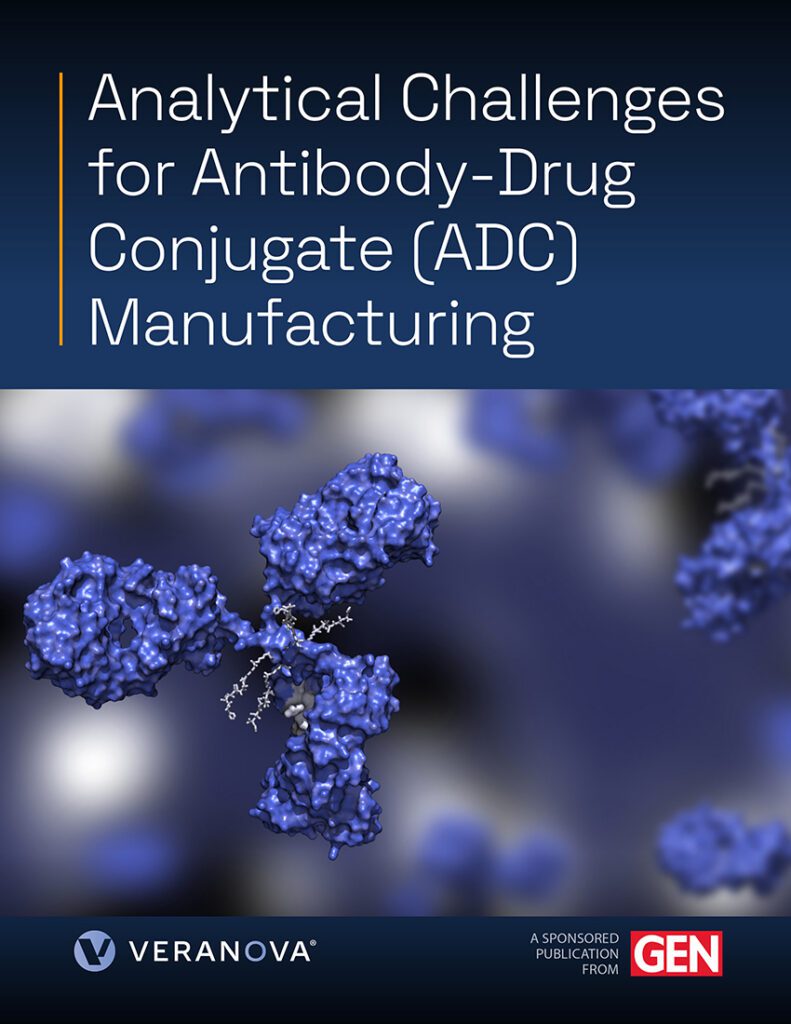
Despite the promise of ADCs, their unique structure complicates manufacturing, characterization, and regulatory assessment. Developers must carefully consider the interplay between the antibody, linker, and payload to optimize therapeutic efficacy and safety. The drug-to-antibody ratio (DAR), conjugation site specificity, impurity profile, and linker stability all influence an ADC’s pharmacokinetics, pharmacodynamics, and ultimately its clinical safety profile. Robust analytical methods are therefore critical throughout the development process to ensure both safety and efficacy.
Given the hybrid nature of ADCs, regulatory expectations are still evolving. To navigate this uncertainty, analytical risk management is essential. Moreover, cross-functional collaboration among analytical scientists, process development teams, regulatory experts, and quality assurance professionals is key to ensure that early-stage methods are sufficiently robust and scalable for commercial manufacturing.
Success in this environment requires deep analytical expertise, robust quality-by-design frameworks, and development partners who understand the full arc from early-stage linker-payload synthesis through GMP-compliant manufacture. It requires the capability to handle highly potent compounds safely, to purify structurally complex intermediates at scale, and to translate rigorous quality control into processes that are commercially viable.
This collection of articles and expert perspectives explores the critical challenges shaping ADC development today, from analytical strategy and impurity control to linker technology innovations and evolving regulatory standards. It also examines the collaborative expertise needed to bring these transformative therapies to patients.
The post Analytical Challenges for Antibody-Drug Conjugate (ADC) Manufacturing appeared first on GEN – Genetic Engineering and Biotechnology News.