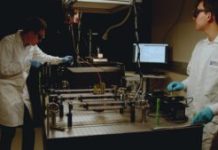
Biotechnologists work tirelessly to improve our quality of life.
Never has this been more evident than in the current global health
crisis that we face. Their inventions address some of the
world’s greatest challenges. Advancements in medicine, surgical
procedures, food science, and agriculture, amongst many others,
stem from innovations and technical achievements in this field of
science. Many of these may not have seen the light of day without
the benefit of patent protection.
Why patents are important in the field of biotechnology
Significant time and resources go into the development and
commercialisation of biotechnology inventions. Considering typical
delays to commercialisation arising from clinical trials, field
trials, and compliance with regulatory requirements, return on
investment is often far removed from initial development work.
Patenting in this field of technology is essential to safeguard
efforts in recuperating and showing a return on financial
investment. There are many potential infringers lurking in the
wings, to capitalise on the hard work of others. In the absence of
patent protection, they may have an unobstructed path to do so.
Financial considerations aside, the exclusivity constituted by
patenting of biotechnology inventions fosters further technical
advancements in the industry, as other players are required to
innovate around existing patents and improve on existing products.
While arguments for an open source morally motivated approach will
always be made, and may in many respects hold true, one cannot
disregard the market based need for commercial motivation which,
although not always presented as such, has led to some of the
greatest technological advancements of our time. Patents serve
prominently in this context.
Patenting therefore holds significant value and relevance in the
field of biotechnology, and can in many cases be one of the most
important assets owned by biotech innovators, provided they move to
acquire such assets in a strategically sound manner.
Understanding the complexities of biotechnology patents
Patenting considerations in the field of biotechnology are
difficult to navigate. For guidance, innovators should take care to
engage the services not only of knowledgeable, but of experienced
legal advisors, who have an understanding of the law and of the
technology.
Decisions relating to the suitability and availability of patent
protection, the timing of when to initiate the patent application
process, patent prosecution strategies in light of peculiar legal
provisions and practices that differ vastly from country to
country, and the like, are far-reaching, and all require careful
consideration and substantive input.
At Adams and Adams, our team draws on the biotechnology research
and patent prosecution expertise of senior associate Dr Charleen
Rupnarain, and on the patent prosecution experience of partner
Pieter Visagie, who together have almost two decades of relevant
experience in these fields. This is supplemented by our firm’s
institutional knowledge that has been built over more than a decade
of serving various prominent established and up-and-coming
academic, research and industry biotechnology players.
Our biotechnology practice continues to serve clients in these
sectors, across multiple focus areas that include medicines,
industrial biotechnology, and agriculture. Specific projects that
we have been involved in include diagnostics and treatments for
tuberculosis, cancer, HIV and Covid-19, and applications in
agriculture, horticulture, forestry, veterinary and
microbiology.
Our experience in these areas, across multiple jurisdictions,
equips us to assist biotechnology innovators in pre-filing strategy
discussions, as well as in the drafting, filing and prosecution of
patent applications, with skill, knowledge and experience, mindful
of legal peculiarities and commercialisation challenges.
Our biotechnology patent experts recognize the value of
scientific advancements and the opportunities resulting from their
development. To protect the fruits of your labour, get in touch
with one of our patent experts today. Find out more on how our
experienced team can help you protect your innovation. We look
forward to working with you!
The content of this article is intended to provide a general
guide to the subject matter. Specialist advice should be sought
about your specific circumstances.