Broadcast Date: November 10, 2020
Time: 8:00 am PT, 11:00 am ET, 17:00 CET
AAV is a popular choice of viral vector for new gene therapies, but manufacturing systems have not kept pace with biological advances, leaving these therapies costly, difficult to produce at scale, and subject to inherent batch-to-batch variability. TESSA technology, like wild-type adenovirus, provides high quality help for AAV replication, but unlike the wild-type virus, these vectors are unable to produce adenoviral structural proteins, thereby reducing adenoviral contamination by 99.9999% in a manufacturing run. The AAV rep and cap genes are integrated into these novel vectors, which means that everything required for AAV production, except the AAV genome, is provided in a single viral vector. Meanwhile, the AAV genome can either be encoded within a second TESSA vector, in a plasmid, or within an AAV particle itself—removing the reliance on expensive and limiting plasmids for AAV manufacture.
In this GEN webinar, Dr. Ryan Cawood describes how rethinking AAV manufacture “from the ground up”, allowed OXGENE to manipulate AAV’s natural relationship with adenovirus to address these challenges with their novel technology. The webinar will take a deep dive into the data behind this new technology, demonstrating how using these vectors can give a 40-fold improvement in AAV2 yield, alongside a 2000- fold increase in particle infectivity, establishing the potential for reduced cost of goods and improved safety for AAV based gene therapies.
A live Q&A session will follow the presentation, offering you a chance to pose questions to our expert panelist.
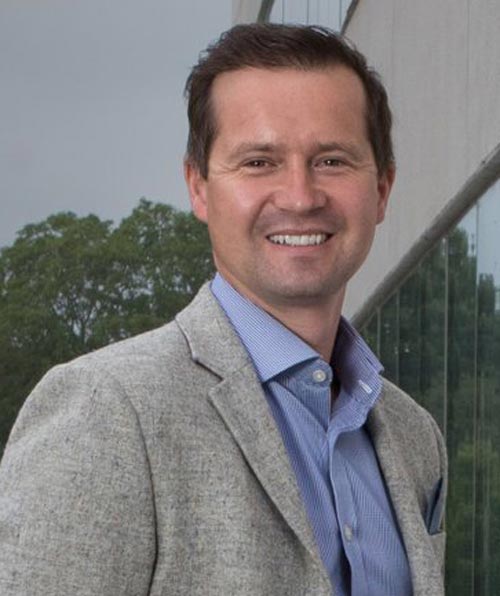
Founder and CEO, OXGENE
Webinar produced with support from:

The post Scalable Plasmid-Free AAV Manufacturing appeared first on GEN – Genetic Engineering and Biotechnology News.