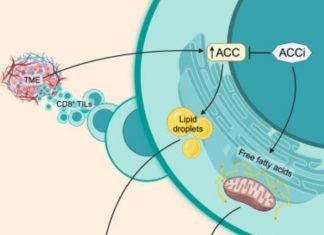
Why killer T cells lose energy inside of solid tumors
CHAPEL HILL, N.C. – T cells are often called “assassins” or “killers” because they can orchestrate and carry out missions to hunt down bacteria, viruses, and cancer cells throughout the body. Mighty as they...

The State of Omics 2024
REGISTER NOW
Broadcast Date: April 17, 2024 Time: 11:00 am – 3:30 pm ET The past two years have seen exciting advances in the world of genomics, as several companies threaten to disrupt the next-gen...
Machine learning classifier reduces the time to identify personalized tumor reactive T cell receptors
Making a personalized T cell therapy for cancer patients currently takes at least six months; scientists at the German Cancer Research Center (DKFZ) and the University Medical Center Mannheim have shown that the laborious...
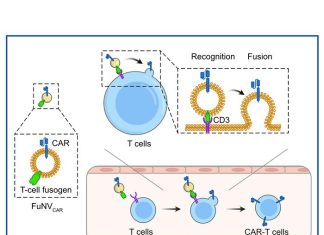
In vivo production of CAR-T cells using virus-mimetic fusogenic nanovesicles
Chimeric antigen receptors (CARs) are synthesized membrane proteins that enable lymphocytes to recognize and respond to the specific antigens of target cells. Despite the impressive efficacy of CAR-T cell therapy in treating B-cell lymphoma...

Milestone in diabetes treatment: Transgenic cow produces human insulin in milk
An unassuming brown bovine from the south of Brazil has made history as the first transgenic cow capable of producing human insulin in her milk. The advancement, led by researchers from the University of Illinois...
Nuclera appoints Joseph Bertelsen as Chief Commercial Officer
Nuclera, the biotechnology company enabling rapid protein expression and purification screening through its benchtop protein platform, today announced the appointment of Joseph Bertelsen as Chief Commercial Officer (CCO). With over 20 years’ commercial leadership...
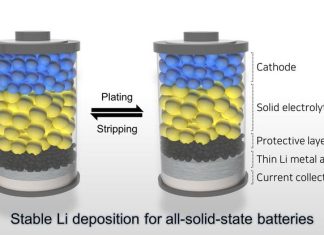
A breakthrough in all-solid-state battery technology, enhancing the performance of the lithium from the...
A research team, consisting of Professor Soojin Park from the Department of Chemistry, PhD candidate Sangyeop Lee from the Division of Advanced Materials Science, and Dr. Sungjin Cho and Master’s student Hyunbeen Choi from...
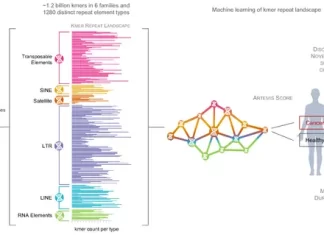
AI Detects Cancer via DNA Repeats in Liquid Biopsies
Investigators at the Johns Hopkins Kimmel Cancer Center have developed a machine learning strategy that has shown the potential to predict cases of early-stage lung or liver cancers in humans, by detecting repetitive genetic sequences in...

NTU Singapore scientists develop ultra-thin semiconductor fibers that turn fabrics into wearable electronics
Scientists from Nanyang Technological University, Singapore (NTU Singapore) have developed ultra-thin semiconductor fibres that can be woven into fabrics, turning them into smart wearable electronics.
Credit: NTU Singapore
Scientists from Nanyang Technological University, Singapore (NTU Singapore)...
Researchers receive $5 million to propel new cancer discoveries using computational biology and AI
A multidisciplinary research team at Gladstone Institutes, led by Senior Investigator Katie Pollard, PhD, has received $5 million in funding through a newly launched grant program designed to ignite a fresh wave of cancer discoveries using...