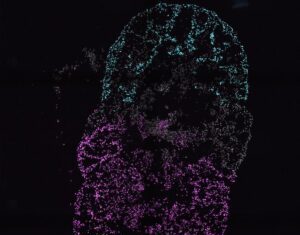
Multi-Chambered Heart Organoids Allow Study of Organ Development and Defects
Scientists at the Institute of Molecular Biotechnology (IMBA) of the Austrian Academy of Sciences have developed a multi-chamber organoid that mirrors the heart’s intricate structure. The human cardioid platform recapitulates the development of all...
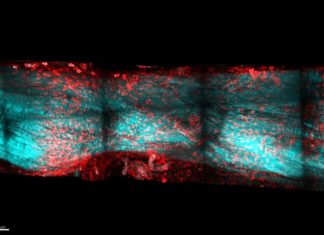
Understanding rapid tendon regeneration in newts may one day help human athletes
A research group led by Nagoya University’s Graduate School of Engineering has uncovered how rapid tendon regeneration occurs in newts. The research, published in the Journal of Orthopaedic Research, compared the regeneration mechanism of...
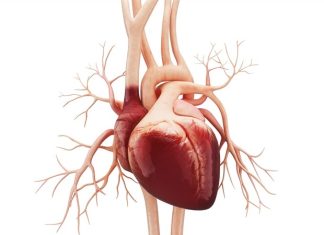
New heart organoid model could revolutionize drug development and toxicology studies
Heart disease kills 18 million people each year, but the development of new therapies faces a bottleneck: no physiological model of the entire human heart exists – so far. A new multi-chamber organoid that...
Nvidia Looks to Genentech for Its Next Leap in AI Drug Discovery
By Alex Philippidis
Nvidia, the Silicon Valley-based microprocessing giant, has expanded its growing footprint in artificial intelligence (AI)-based life sciences through the new AI drug discovery collaboration it has launched with Roche’s Genentech subsidiary.
The companies...

Researchers develop $1 cancer treatment using engineered bacteria
What if a single one-dollar dose could cure cancer? A multi-university team of researchers, supported by federal funding, is developing a highly efficient bacterial therapeutic to target cancer more precisely to make treatment safer...
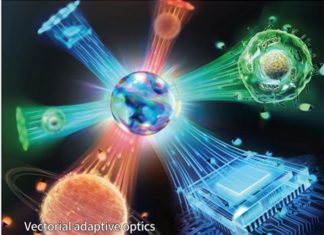
Vectorial adaptive optics: correcting both polarization and phase
Adaptive optics (AO) is a technique used for real-time correction of phase aberrations by employing feedback to adjust the optical system. Polarization aberrations represent another significant type of distortion that can impact optical systems....

Proteomics Platform Reduces Quantification to Counting
By Gail Dutton Despite their sophistication and power, traditional proteomics technologies have failed to provide comprehensive coverage. For example, with conventional mass spectrometry, a single experiment measures no more than 8% of the blood...

Synthetic biologists develop versatile platform for targeted drug delivery
In recent years, cell and gene therapies have shown significant promise for treating cancer, cystic fibrosis, diabetes, heart disease, HIV/AIDS and other difficult-to-treat diseases. But the lack of effective ways to deliver biological treatments...

New stem cell-based treatment for Type 1 diabetes can reduce dependence on daily insulin...
An innovative stem cell-based treatment for Type 1 diabetes can meaningfully regulate blood glucose levels and reduce dependence on daily insulin injections, according to new clinical trial results from the University of British Columbia...
Results of the MARIPOSA-2 Study for Advanced Lung Cancer
The latest advancements in cancer treatment are offering new hope to patients with advanced non-small cell lung cancer (NSCLC), especially those with specific genetic mutations. This news report focuses on the MARIPOSA-2 study, an...