Phase I clinical trial of PAC-1 in patients with end-stage cancers shows promising results
A phase I clinical trial of PAC-1, a drug that spurs programmed cell death in cancer cells, found only minor side effects in patients with end-stage cancers. The drug stalled the growth of tumors...

Boosting Brain’s Meningeal Lymphatic Vessels Improves Memory in Aged Mice
As aging bodies decline, the brain loses the ability to cleanse itself of waste, a scenario that scientists think could be contributing to neurodegenerative conditions such as Alzheimer’s disease and Parkinson’s disease. Researchers at...
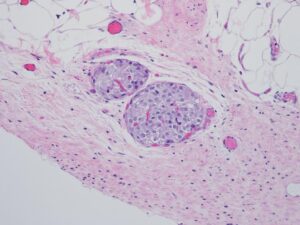
Antioxidant Gel Preserves Function of Pancreatic Islets Transplanted into Intestinal Fat Layer in Preclinical...
Northwestern University researchers have developed a thermoresponsive antioxidant biomaterial that they suggest may in the future be used to help improve the survival and function of islet cells in patients with chronic pancreatitis (CP)...

Device brings silicon computing power to brain research and prosthetics
Credit: Andrew Brodhead/Stanford News Service
Researchers at Stanford University have developed a new device for connecting the brain directly to silicon-based technologies. While brain-machine interface devices already...

Making the Big Move: Techniques Evolve to Transfer Large DNA Cargos
Existing gene-editing technologies have led to significant advances in both medicine and food production. However, momentum appears to be slowing, particularly in health applications, as early hype is giving way to the realism of...

StockWatch: Top 3 Biotech ETFs Finally Bounce Back with the Market
Biopharma has finally begun catching up with the overall stock market, if the positive returns shown by the top three exchange traded funds (ETFs) since the spring are any indication.
Over the past six months,...

Passivating Stainless Steel Fluid Contact Surfaces
Non-specific binding of analytes to metal surfaces inside HPLC columns and hardware can negatively affect quantitation of both analytes and impurities. Preventing these interactions requires “passivation,” a series of steps that treat metal surfaces...

GW researchers to study the underlying pathophysiology of myasthenia gravis
The National Institutes of Health (NIH) awarded a research team at the George Washington University (GW) $7.8 million to establish a rare disease network for myasthenia gravis. The network, which will be part of...

Bone Growth Protein May Offer Hope for Newborns with Rare Lung Disorder
Babies born with alveolar capillary dysplasia with misalignment of pulmonary veins (ACDMPV) suffer from a lack of oxygenated blood in their systems. Only a lung transplant offers hope for saving their lives.
However, researchers at...

TwinStrand’s Duplex Sequencing Goes Deep
As companies strive to make their sequencing capabilities longer, more accurate, faster, and cheaper, the detection of low frequency DNA mutations remains one limitation that no one has overcome. The young start-up, TwinStrand Biosciences,...