New ‘heart-on-a-chip’ to halt cardiac damage caused by Duchenne
Duchenne Parent Project Spain (DPPE) has launched the BEAT Project, a research initiative focused on one of the key challenges associated with Duchenne and Becker muscular dystrophies: progressive heart damage. Cardiomyopathy is the leading...

Building large DNA pieces to create custom microbes
A review in Quantitative Biology demonstrates that scientists can now reliably build and combine very large pieces of DNA, making it much easier to redesign microbes such as yeast and bacteria to act as...
From Discovery to GMP: Building Scalable Cell Therapy Manufacturing
Read NowOver the past decade, our industry has witnessed the promise of cell and gene therapies. Patients with rare diseases or hard-to-treat diagnoses now have treatment options harnessing human cells and genes to alter...

Obesity and Alzheimer’s linked through early metabolic disruptions
By 2030, the population in the United States aged 65 and older is expected to reach 71 million or about 20% of Americans. This growth is likely to increase the burden of age-related diseases,...
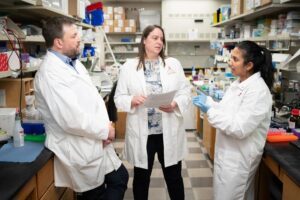
Blood Stem Cells Evade Immune Attack in Aplastic Anemia Through Gene Mutations
Scientists headed by a team at St. Jude Children’s Research Hospital have found that in individuals with the life-threatening blood disorder aplastic anemia (AA), different blood stem cells within the same person independently acquire...

New tools for quicker and easier Mpox diagnosis
Following the rise in monkeypox (Mpox) cases, particularly in countries where the disease had not traditionally been observed, the World Health Organization (WHO) declared a Public Health Emergency of International Concern in June 2022...

StockWatch: Patient Death, Rival’s Patent Challenge Sink Erasca Shares
Sometimes a patient’s death is enough to send a stock tumbling. Other times, the fear of litigation that often arises whenever a new therapeutic approach emerges can send shares sinking. This past week, Erasca...
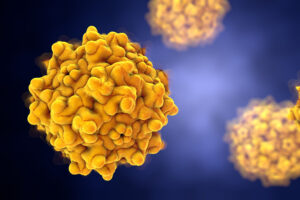
Approaches to Reducing Toxicity and Side Effects in Cell and Gene Therapy
Cell and gene therapy encompasses a broad range of therapeutic interventions for diseases that have proved refractory to treatment with conventional pharmaceutical approaches. Perhaps the most familiar FDA-approved modality in the cell and gene...

Going Non-Viral: Gene Delivery Enters Its Translation Era
Kunwoo Ryan Lee, PhDCEO, BreezeBio
Kunwoo Ryan Lee, PhD, knew as early as 2012 that solving the delivery problem would be crucial in fulfilling the promise of the newly discovered CRISPR-Cas9 gene editing technology. He...

Breaking Through the Barrier
According to the American Brain Foundation, over one in three people around the world are affected by neurological conditions, the leading cause of illness and disability worldwide. This silent epidemic is not country-specific. Neurological...