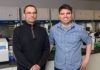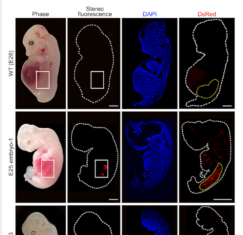
In a First, Solid Humanized Kidneys Grown Inside Pigs
A severe organ shortage plagues the progress of organ transplantation. One solution may be to generate human organs in other large mammals, however, that process is challenging. Now, researchers have successfully created chimeric embryos...

Superluminal Medicines Launches to Drug Protein Conformations in a Flash
Whenever I interview the founders of a new biotech company, I typically inquire about the origin of the company’s name. There is an astonishingly wide range of responses to this question.
A few days after...
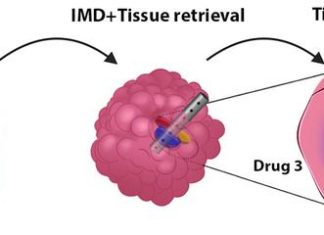
Human Brain Tumor Implant Could Guide Personalized Therapies
Researchers from Brigham and Women’s Hospital have designed microdevices that can be loaded with drugs and inserted into the brain tumors of patients undergoing standard-of-care surgery, offering a real-time method for measuring the efficacy...

StockWatch: Investors, Analysts Debate Background of New Illumina CEO
Jacob Thaysen, PhD, will become Illumina’s new CEO effective September 25.
In announcing Jacob Thaysen, PhD, as its new CEO on Tuesday, Illumina (ILMN) trumpeted his “extensive background and experience” in genomics, life sciences, and...
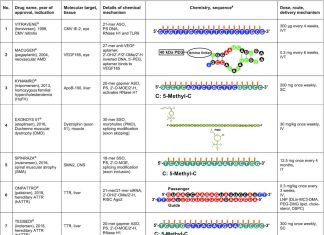
Utility of Antisense Oligonucleotides (ASOs) in Next-Generation Biotherapeutics
By Kim Lennox
The ability to make synthetic DNA and RNA by chemical or enzymatic means has revolutionized genetic research and drug discovery. Antisense technology employs short, chemically synthesized oligonucleotides (antisense oligonucleotides, or ASOs) that...

How Oligonucleotide Therapeutics May Change the Course of Rare Diseases
REGISTER NOW
Broadcast Date: September 20, 2023Time: 9:00 am PT, 12:00 pm ET, 18:00 CET Using antisense oligonucleotides (ASOs) to treat patients with ultra-rare diseases is an incredibly exciting area. But the road from...
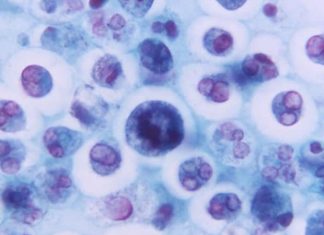
Immune cells can create their own chemical cues to navigate in complex environments
Human immune cells are capable of coordinating their own movement more independently than previously thought. InFLAMES researcher Jonna Alanko has discovered that immune cells do not just passively follow the chemical cues in their...

MD Anderson and Panacea create Manaolana Oncology to develop novel portfolio of monoclonal antibodies
The University of Texas MD Anderson Cancer Center and Panacea Venture today announced the launch of Manaolana Oncology Inc., a new company created to develop and advance antibody-based therapies against novel cancer antigens. Manaolana...
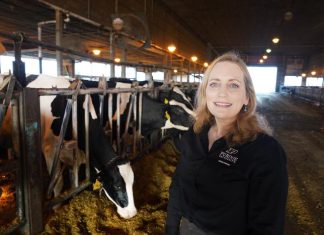
$1 million USDA grant to Purdue aims to boost efficiency at dairy farms
WEST LAFAYETTE, Ind. – A team of Purdue University researchers has received a $1 million grant from the U.S. Department of Agriculture’s National Institute of Food and Agriculture to improve feed efficiency and consistency on dairy farms...